If you have fallen for a historic home in Sea Cliff, you are not alone. The village’s charm often comes from exactly what makes these properties more complex to buy: older architecture, compact lots, irregular terrain, mature landscaping, and a strong preservation framework. If you are thinking about purchasing one, this guide will help you understand the rules, risks, costs, and planning steps that matter before you commit. Let’s dive in.
Why Sea Cliff Historic Homes Feel Different
Sea Cliff is an incorporated village in the Town of Oyster Bay, and the village describes itself as a waterfront community known for historic character and scenic beauty. According to the National Park Service’s Sea Cliff Summer Resort Thematic Group nomination, the village’s late-19th-century resort development shaped much of its identity, including its compact street plan, small lots, irregular terrain, and lush vegetation.
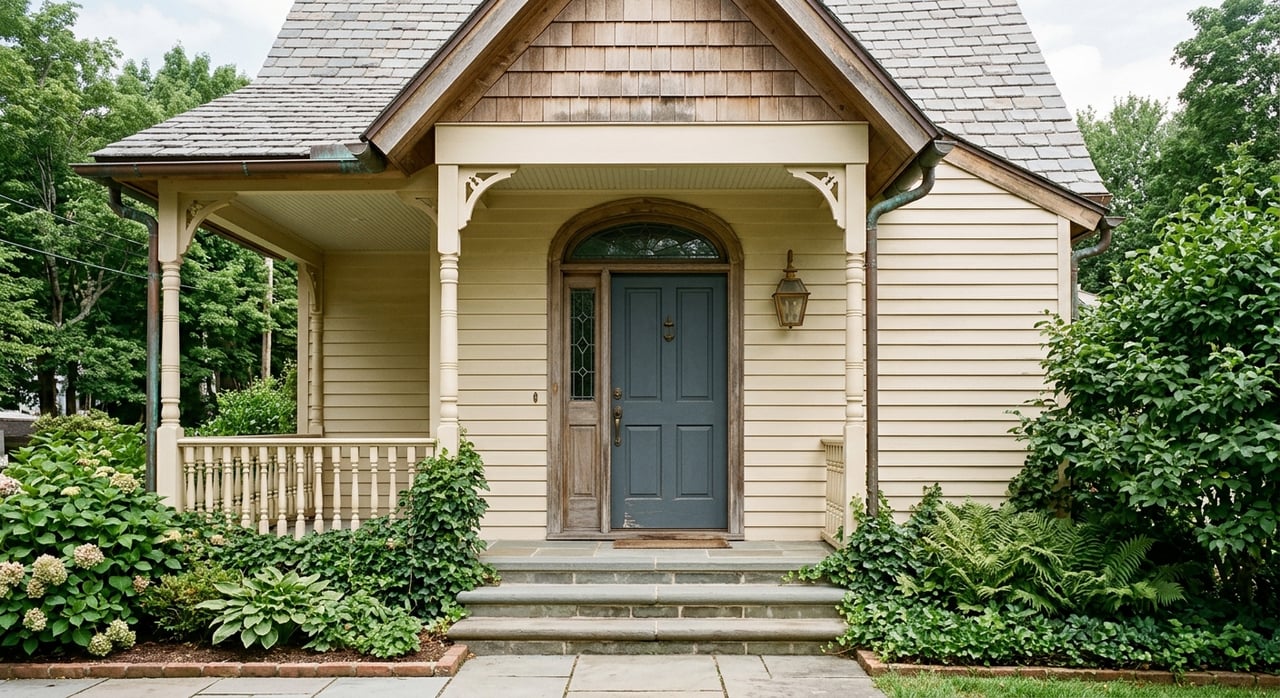
For you as a buyer, that means a home’s appeal may go far beyond updated kitchens and baths. In Sea Cliff, value can also come from original porches, Victorian-era details, cottage-style architecture, and mature site features that are hard to recreate. It also means exterior upkeep, drainage, and renovation logistics may be more involved than they would be in a newer neighborhood.
Know the Difference Between Historic Status and Local Rules
One of the biggest mistakes buyers make is assuming all historic designations work the same way. They do not. In Sea Cliff, the most important rules are the village’s local preservation and design-review codes.
Sea Cliff has local exterior review
Sea Cliff’s Chapter 38 created the Board of Architectural Review. It reviews building permit applications that involve exterior appearance and can approve, modify and approve, or disapprove them.
Sea Cliff also has a Landmarks Preservation Commission under Chapter 80. Local designation criteria include historic significance, architectural style, unique location, and construction before 1900.
State or National Register status is not the same thing
New York State makes an important distinction that matters to buyers. A property listed on the State or National Register can still be remodeled, altered, painted, subdivided, sold, or even demolished if no federal or state funds or permits are involved and local zoning is followed.
In other words, National Register status alone does not automatically restrict a private homeowner the way local code can. In Sea Cliff, the village’s own rules are the layer that can meaningfully affect what you may be able to change.
What Historic Review Usually Covers
For many buyers, this is good news. Sea Cliff’s landmark code is focused mostly on the exterior, not the interior.
Exterior features matter most
The code limits review to visible exterior features seen from a public street, right-of-way, or park. Ordinary maintenance and repair that do not significantly change the design, materials, or outward appearance are generally exempt.
That means not every repair turns into a preservation hearing. If your goal is simply to keep an older home functional and well maintained, routine work may be more manageable than you expect.
Interior work may still need regular permits
Historic review usually does not automatically apply to interior changes. Still, separate building permits may be needed for plumbing, electrical, or structural work, depending on the project.
That is why it is smart to treat preservation review and building-permit review as two separate questions. A project may avoid landmark review but still require village approvals.
Check Landmark and Historic District Status Early
Before you fall in love with a renovation vision, confirm whether the property is designated or located in an area flagged for preservation review. This step can affect your timeline, your budget, and even whether your plans are realistic.
Review can delay permit timing
Exterior alterations on designated landmarks or properties shown on the Proposed Landmark and Historic District Map are referred to the commission. Under the code, permit issuance can be delayed for 30 working days, or up to 60 days in some cases when Architectural Board of Review involvement also applies.
That may not sound dramatic at first, but it can change how you plan move-in timing, contractor scheduling, and financing for improvements. If your purchase depends on making immediate exterior changes, this is especially important.
Designation can change over time
Sea Cliff’s designation process is active, not fixed forever. The commission can initiate designation on its own motion, and the code includes a hardship process if designation is claimed to impair economic viability.
That hardship path exists, but it is not informal. It requires a written showing, a public hearing, and a Board finding of hardship.
Be Careful With Demolition or Major Exterior Changes
If you are buying with plans to remove major features, build a large addition, or start over completely, take extra care. In Sea Cliff, demolition and significant exterior changes can face a much higher level of scrutiny.
Demolition is heavily regulated
Demolition of a landmark or a property in a historic district must comply with the village code. The review criteria include historical and architectural significance, public welfare, and the Secretary of the Interior’s Standards for Rehabilitation.
That means you should never assume a purchase is a simple teardown opportunity just because the structure is old. Verify the property’s status and talk through your goals before you close.
Get a Preservation-Aware Inspection
A standard home inspection is important, but with a historic home, it may not be enough by itself. You want to understand how the house performs over time, not just whether it looks sound on showing day.
Moisture and windows deserve extra attention
National Park Service guidance emphasizes regular inspection, seasonal maintenance, moisture control, and careful evaluation of windows. When replacement is unavoidable, new components should match the originals in design and visual qualities.
In Sea Cliff, that guidance is especially relevant because of the village’s older housing stock and waterfront setting. Moisture management, exterior-envelope condition, and window performance can all affect long-term costs.
Site conditions matter too
Sea Cliff’s historic layout includes irregular terrain, small lots, and mature vegetation. For buyers, that can translate into drainage issues, tight construction access, retaining concerns, and more complicated exterior maintenance.
A beautiful lot may also come with real project limitations. Understanding the site is just as important as understanding the house itself.
Understand Flood and Waterfront Issues
Flood risk is one of the most location-specific issues you can face in Sea Cliff. If the property is near the shoreline or in a special flood-hazard area, your renovation plans may be shaped by additional rules.
Flood-zone rules can affect improvements
Sea Cliff’s Flood Damage Prevention chapter applies to all special flood-hazard areas in the village. FEMA’s Flood Map Service Center is the official public source for flood-hazard maps, and the village code requires flood-resistant materials and methods for new construction and substantial improvements in flood zones.
For you, that means flood status is not just an insurance question. It can also affect construction methods, materials, and the cost of future work.
Waterfront approvals may involve more agencies
For waterfront or shoreline-adjacent properties, the approval path may widen. Sea Cliff’s building-department guidance notes that waterfront work and bulkheads may also require involvement from the New York State Department of Environmental Conservation and the U.S. Army Corps.
If you are buying for the views, the lot, or the shoreline access, ask early about what improvements are actually feasible. Waterfront ownership can be rewarding, but it often comes with a longer approval process.
Plan for Lead, Asbestos, and Older-House Compliance
Historic-home ownership is not just about style. It also means planning for health, safety, and code issues common in older properties.
Pre-1978 homes may trigger lead-safe rules
The EPA states that renovation, repair, and painting work in pre-1978 homes can create dangerous lead dust. Contractors disturbing more than 6 square feet of painted interior surface or 20 square feet on the exterior must be certified and follow lead-safe work practices.
That makes contractor selection especially important if you plan to refinish, scrape, patch, or replace painted surfaces. Cheap shortcuts can become expensive mistakes.
Asbestos and contractor licensing matter
Sea Cliff’s building-department guidance also flags asbestos removal as a separate agency issue. The village further notes that many projects require permits and that certain contractors must be licensed or registered locally.
Before you budget renovations, confirm both scope and contractor qualifications. In an older home, the right team matters as much as the right design.
Do Not Overlook Trees and Site Work
In Sea Cliff, site work can be just as meaningful as house work. The village’s Tree Preservation and Protection Ordinance is part of how it protects local character.
If a property has mature trees, pruning or removal may affect your costs and project timing. That is worth reviewing early if you are planning an addition, driveway changes, drainage work, or a major landscape redesign.
Budget for Ongoing Ownership, Not Just the Purchase
One of the most important mindset shifts for a Sea Cliff historic-home buyer is this: ownership is usually an ongoing maintenance and approvals exercise, not a one-time renovation event.
Small projects may still require approvals
Sea Cliff’s building department says many projects require permits even when they seem minor. Depending on the work, you may also need Planning Board, Zoning Board, Architectural Review Board, or Landmarks Commission approval.
That can affect both cost and timing. It is wise to leave room in your budget for consultant input, permit fees, and extra pre-construction planning.
Tax incentives are narrower than many buyers expect
New York State offers a Historic Homeownership Rehabilitation Tax Credit equal to 20% of qualified rehabilitation expenses. However, several conditions apply: you must live in the home, the property must be listed in the State or National Register or be a contributing building in a listed historic district, the home must be in a qualifying census tract, qualified expenses must total at least $5,000, at least 5% of that spending must be on exterior work, and the work must be approved before it begins.
Sea Cliff’s code also provides a limited assessment-relief path. When designating a landmark, landmark site, or historic district, the Village Board may recommend that Nassau County assessors freeze or reduce assessment levels and may consider similar relief for Village tax purposes, but that relief is advisory rather than automatic.
A Smart Buying Strategy for Sea Cliff Historic Homes
If you are serious about buying a historic home in Sea Cliff, the best approach is to be thorough before you close. The right home can be deeply rewarding, but success usually comes from careful due diligence, realistic budgeting, and a clear understanding of what you can and cannot change.
A practical checklist includes:
- Check the property against the Village’s Landmark & Historic District Map
- Ask whether planned exterior work may trigger Architectural Review or Landmarks review
- Order an inspection that pays close attention to moisture, windows, drainage, and exterior condition
- Verify flood-zone status and ask how it may affect future improvements
- Review whether site work, tree work, or shoreline work could require additional approvals
- Confirm that contractors are properly licensed or registered where required
- Budget for ongoing maintenance, not just upfront cosmetic updates
Buying a historic home in Sea Cliff can be a wonderful lifestyle decision, especially if you appreciate architecture, setting, and a strong sense of place. The key is to go in with clear eyes and a plan that respects both the property and the village rules around it.
If you are considering a Sea Cliff purchase and want thoughtful guidance on how a property’s character, condition, and local review process may affect your decision, Maggie Keats can help you navigate the process with local insight and a steady hand.
FAQs
What makes buying a historic home in Sea Cliff different from buying a newer home?
- Sea Cliff’s historic homes often come with older architecture, compact lots, irregular terrain, mature landscaping, and local exterior-review rules that can make maintenance and renovations more complex.
Do interior renovations in a Sea Cliff historic home need landmark approval?
- Usually not, because Sea Cliff’s landmark code focuses on visible exterior features from public rights-of-way or parks, though standard building permits may still be required for interior work.
Does National Register status limit changes to a Sea Cliff home?
- Not by itself in most private-owner situations. New York State says local zoning and permit rules are the key constraints unless federal or state funds or permits are involved.
Can you demolish a historic home in Sea Cliff?
- Sometimes, but demolition of landmarks and properties in historic districts is heavily regulated and reviewed under the village code.
How do you check if a Sea Cliff home is locally designated?
- A practical step is to compare the address against the Village’s Landmark & Historic District Map before planning exterior changes, additions, or demolition.
Are there tax credits for renovating a historic home in Sea Cliff?
- Possibly. New York State offers a 20% Historic Homeownership Rehabilitation Tax Credit for qualifying owner-occupied properties that meet specific listing, location, spending, exterior-work, and preapproval requirements.
What inspection issues matter most for a Sea Cliff historic home?
- Moisture control, windows, exterior-envelope condition, drainage, flood exposure, and site conditions are especially important in Sea Cliff’s older, waterfront-influenced housing stock.
Do waterfront historic homes in Sea Cliff face extra approvals?
- Yes, some waterfront work and bulkhead projects may require additional review beyond the village, including state and federal agency involvement.