Choosing between a brand-new house and a legacy estate in Kings Point is not just about style. In this market, the decision often comes down to how you want to balance design freedom, renovation risk, regulatory limits, and long-term value. If you are weighing both paths, understanding how Kings Point’s housing stock and village rules shape each option can help you buy with more clarity and confidence. Let’s dive in.
Kings Point has two very different stories
Kings Point stands apart even on the North Shore. It is a small village on the Great Neck peninsula with a 2025 population estimate of 5,710, a 95.5% owner-occupied housing rate, a median owner-occupied home value of $1.981 million, and a median household income of $211,299. Those numbers point to a market where buyers are usually focused on quality, longevity, and positioning, not just the lowest entry price.
Current market snapshots also place Kings Point squarely in the luxury category. In June 2026, Redfin reported a median sale price around $3.35 million and an average of 47 days on market, while Realtor.com showed a median listing price near $5.0 million, 36 active listings, and a seller’s-market designation. The exact figure varies by source, but the broader takeaway is clear: Kings Point is a high-value market where details matter.
What makes this village especially interesting is its mix of housing eras. Kings Point’s centennial publication notes more than 200 homes built before 1939, more than 750 built between 1950 and 1970, and about 400 homes built or rebuilt in the last 50 years. That range creates a true side-by-side choice between legacy homes with history and newer homes designed for modern living.
New builds offer control and modern layouts
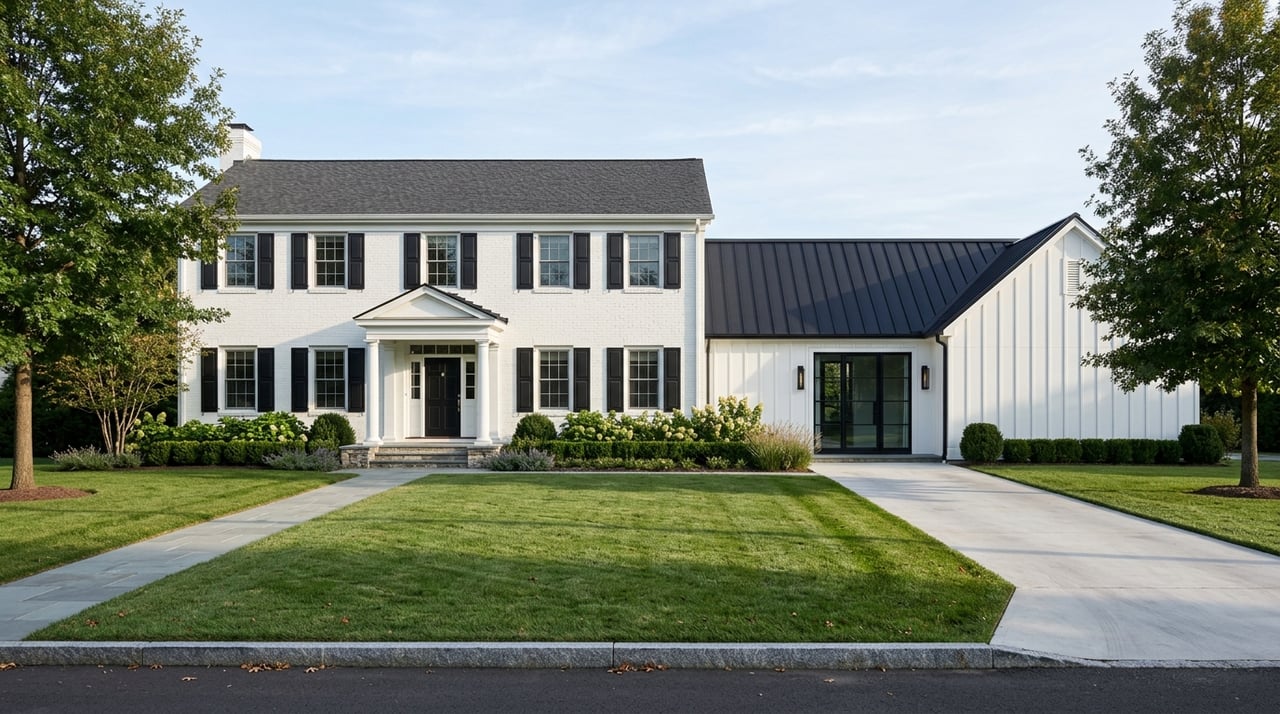
If you are drawn to a new build in Kings Point, the appeal is easy to understand. You may get a more current floor plan, newer systems, updated materials, and less immediate maintenance. For many buyers, that means a smoother move and fewer early surprises.
Newer homes can also align more closely with how people live today. Open kitchens, flexible living areas, large primary suites, and seamless indoor-outdoor flow are often easier to find in recently built or fully rebuilt homes. In a luxury market, that convenience can carry real value.
Design freedom still has limits
A new build in Kings Point does not mean unlimited freedom. The village uses an Architectural and Preliminary Site Review Board for new construction and certain major exterior changes. Applicants must submit renderings, elevations, site plans, and landscape plans, and the board’s purpose is to preserve the village’s character, appearance, aesthetics, and property values.
That review process matters because the final result is shaped by more than your lot size. It also depends on approvals, presentation, and how the proposal fits within village standards. In practice, buyers looking at teardown or rebuild opportunities should treat process and timing as part of the investment.
Zoning can shape the house more than the lot
Kings Point’s zoning rules are especially important when comparing build opportunities. In A2 Residence Districts, the minimum lot area is 40,000 square feet with 150 feet of frontage for interior lots. In A Residence Districts, the minimum lot area is 20,000 square feet with 100 feet of frontage.
Those districts do not just set minimums. They affect setbacks and the total buildable envelope, which means two properties with similar acreage can produce very different outcomes. If you are evaluating a lot or a house with expansion potential, zoning may matter just as much as square footage on paper.
Scale is capped more than many buyers expect
Kings Point also limits the size and coverage of improvements. Maximum floor area is generally 20% of the first 40,000 square feet of lot area plus 7% of excess lot area, and maximum building area follows the same formula. Front-yard impervious coverage cannot exceed 35%, total lot impervious coverage cannot exceed 55%, and roof height is generally capped at 28 feet for flat roofs and 30 feet for other roofs, with a limited ridge allowance for peaked roofs.
That means a large lot does not automatically allow an oversized house, broad hardscaping, or every outdoor feature on your wish list. Buyers considering new construction should look closely at what the code allows before assuming a future plan will fit.
Accessory buildings are limited too
Luxury buyers often imagine adding a pool house, detached office, or cabana. In Kings Point, accessory buildings generally cannot exceed 600 square feet each or 1,000 square feet in total, and they may not be designed or used for housekeeping or sleeping.
That rule can affect how you plan outdoor living and secondary structures. It does not make these amenities impossible, but it does mean they must be designed with the code in mind from the start.
Legacy homes bring character and scarcity
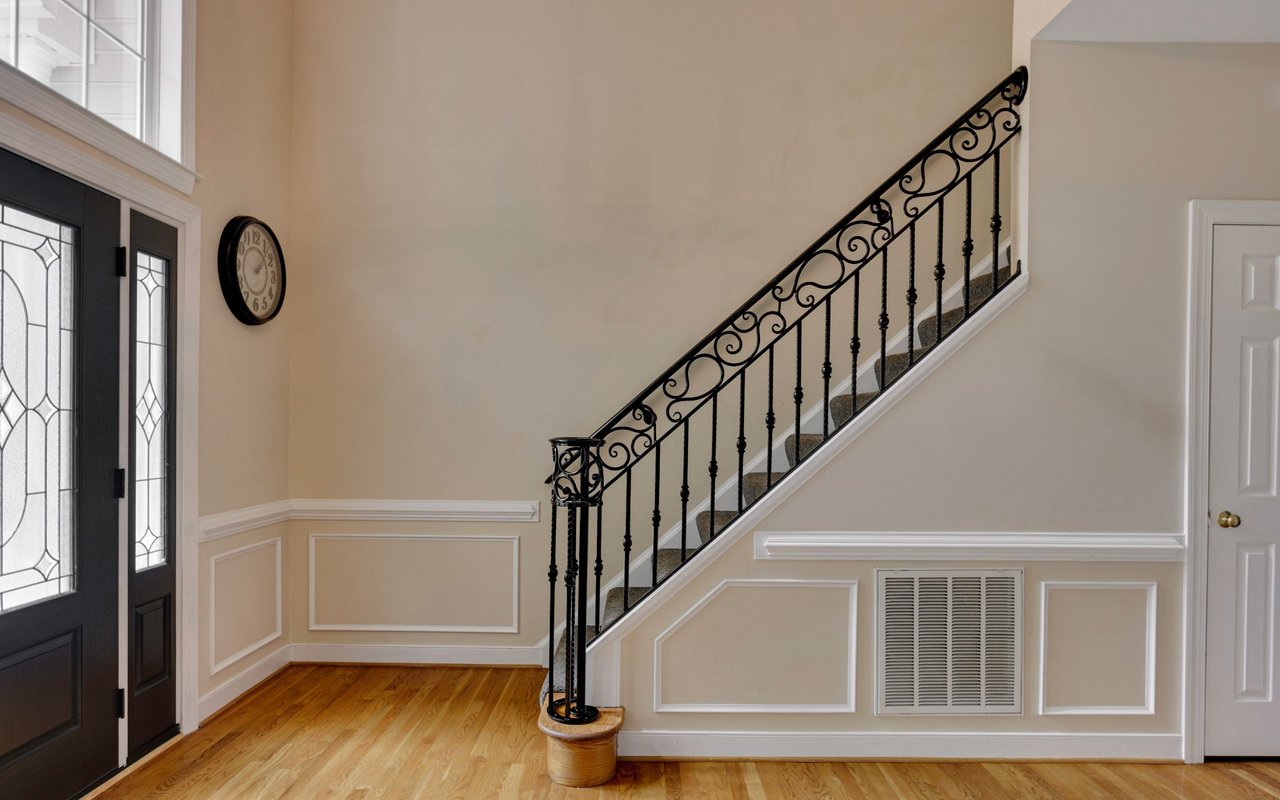
For many buyers, Kings Point’s older homes offer something new construction cannot easily replicate. Original architectural details, mature landscaping, and ties to the village’s early Gold Coast identity can create a sense of place that feels established from day one. Kings Point’s own history highlights a blend of original estates, subdivisions, new construction, and major renovations, which is part of what gives the village its visual depth.
That character can also support long-term appeal. In a market where many buyers value provenance and presence, a well-sited legacy home may hold a special place in the local inventory. If you want a property with distinct architectural personality, an older estate may be the stronger fit.
Historic status may affect your plans
Not every older home carries the same restrictions, but some properties may fall within a formal preservation framework. Kings Point has a landmark-preservation chapter that recognizes places, sites, structures, and buildings of special historic significance or unique architectural design. If a property is under landmark consideration, permits for demolition, alteration, movement, or improvement can be paused for 150 days while review proceeds.
That does not mean you should avoid older homes. It does mean you should understand whether a property is designated, located in a historic context, or under consideration before you make assumptions about renovation timing or design flexibility.
Renovation requires deeper due diligence
Legacy homes often come with more moving parts. Kings Point’s permit materials state that all construction must comply with New York State Building Code and Village code, and a certificate of occupancy is required before use. If a pre-1978 structure has work that disturbs more than six square feet of lead paint, compliance with the EPA Renovation, Repair, and Painting Rule is required, and asbestos and radon remediation must also follow applicable law.
In practical terms, older homes may need more investigation before you can budget accurately. Condition issues are not always visible during a first showing, and compliance history can matter just as much as cosmetic finish level.
Waterfront older homes need another layer of review
For older waterfront properties, storm resilience is an important part of the equation. Kings Point’s permit packet identifies the village as a hurricane-prone region and references FEMA flood maps. That makes flood exposure, drainage, and resilience planning central topics when evaluating a legacy waterfront home.
If the property includes or may include a dock, there is an added approval layer. Kings Point’s off-shore-structures code requires a permit and prior Board of Trustees approval, and the application must include engineered plans, an environmental assessment form, and notice to nearby shoreline owners. The lot must also have a single-family dwelling and at least 150 feet of shoreline frontage.
New build versus legacy home: how to compare
The right choice usually depends on what kind of tradeoff feels more comfortable to you. A new build may reduce immediate repair concerns, but village review and zoning can limit what is possible. A legacy home may deliver more character and scarcity, but it can require more investigation into permits, condition, and future approvals.
Here is a simple way to frame the comparison:
| Factor | New Build | Legacy Home |
|---|---|---|
| Layout and systems | Typically more current | May vary based on updates |
| Design flexibility | Shaped by zoning and review board approval | Shaped by existing structure, permits, and possible preservation review |
| Character | Often cleaner and more contemporary | Often stronger architectural identity |
| Timeline risk | Approval process can add time | Renovation and compliance review can add time |
| Predictability | More predictable once approved and completed | More dependent on hidden condition and permit history |
| Waterfront complexity | May involve new approval layers | May involve both existing condition and waterfront approvals |
Questions to ask before you decide
Whether you are touring a newly built home, a teardown candidate, or an older estate, asking the right questions early can save time and money later.
Questions for any Kings Point property
- What zoning district is the property in?
- What are the exact lot area, frontage, setback, floor-area, building-area, and impervious-coverage limits?
- Were the house, roof, addition, landscape, pool house, or dock properly approved and signed off?
- If the home is marketed as turnkey, which documents support that claim?
Extra questions for legacy homes
- Is the property designated as a landmark, part of a historic district, or under consideration for that status?
- What inspection findings could trigger lead-paint, asbestos, radon, flood, or stormwater work?
- Is the certificate of occupancy current and consistent with the home as it exists today?
- For waterfront homes, were shoreline structures approved and maintained under current rules?
Extra questions for build or rebuild opportunities
- Has the property already received any Architectural Review Board approvals?
- Are those approvals still active?
- What does the zoning envelope realistically allow on this specific lot?
- How do frontage, setbacks, height limits, and impervious-coverage rules affect the end design?
The smartest choice is the one that fits your priorities
In Kings Point, the decision is rarely as simple as old versus new. It is really about whether you want to inherit character and complexity, or start with newer construction within a tightly defined regulatory envelope. Both paths can make sense, but each one rewards careful local analysis.
That is where hyperlocal guidance can make a real difference. In a village where zoning, waterfront conditions, review boards, and housing era all shape value, the most useful comparison is not just between two houses. It is between the ownership experience each property is likely to create. If you are considering a purchase in Kings Point, Maggie Keats can help you evaluate the tradeoffs with a clear North Shore lens.
FAQs
What is the main difference between a new build and a legacy home in Kings Point?
- A new build often offers newer systems and a more modern layout, while a legacy home may offer stronger architectural character and a more established setting but often requires deeper due diligence.
How do zoning rules affect new construction in Kings Point?
- Zoning affects minimum lot size, frontage, setbacks, floor area, building area, impervious coverage, and height, which can significantly shape what can actually be built on a property.
Do older homes in Kings Point face historic review?
- Some do. Kings Point has a landmark-preservation framework, and if a property is under landmark consideration, certain permits can be paused for up to 150 days during review.
What should you verify before buying a renovated Kings Point home?
- You should confirm that major improvements were properly permitted, inspected, and signed off, and that the certificate of occupancy matches the home’s current condition and use.
Why are waterfront homes in Kings Point more complex?
- Waterfront homes may involve added considerations tied to flood exposure, drainage, storm resilience, and separate approvals for shoreline features such as docks.
Is Kings Point mainly a luxury market?
- Yes. Recent June 2026 market snapshots showed median pricing in the multi-million-dollar range, and the village’s housing profile supports its position as a luxury North Shore market.