Welcome to
Port Washington
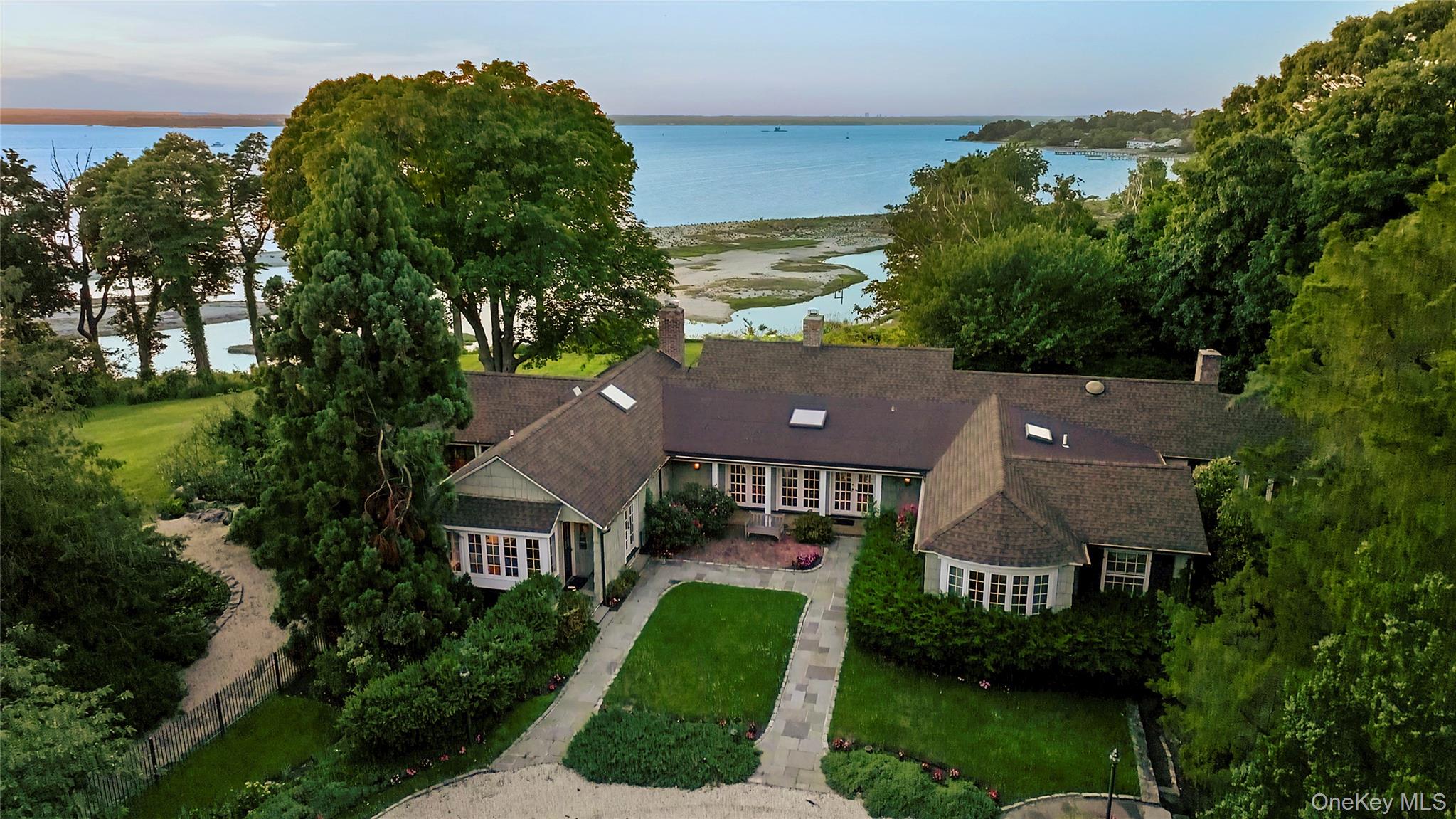
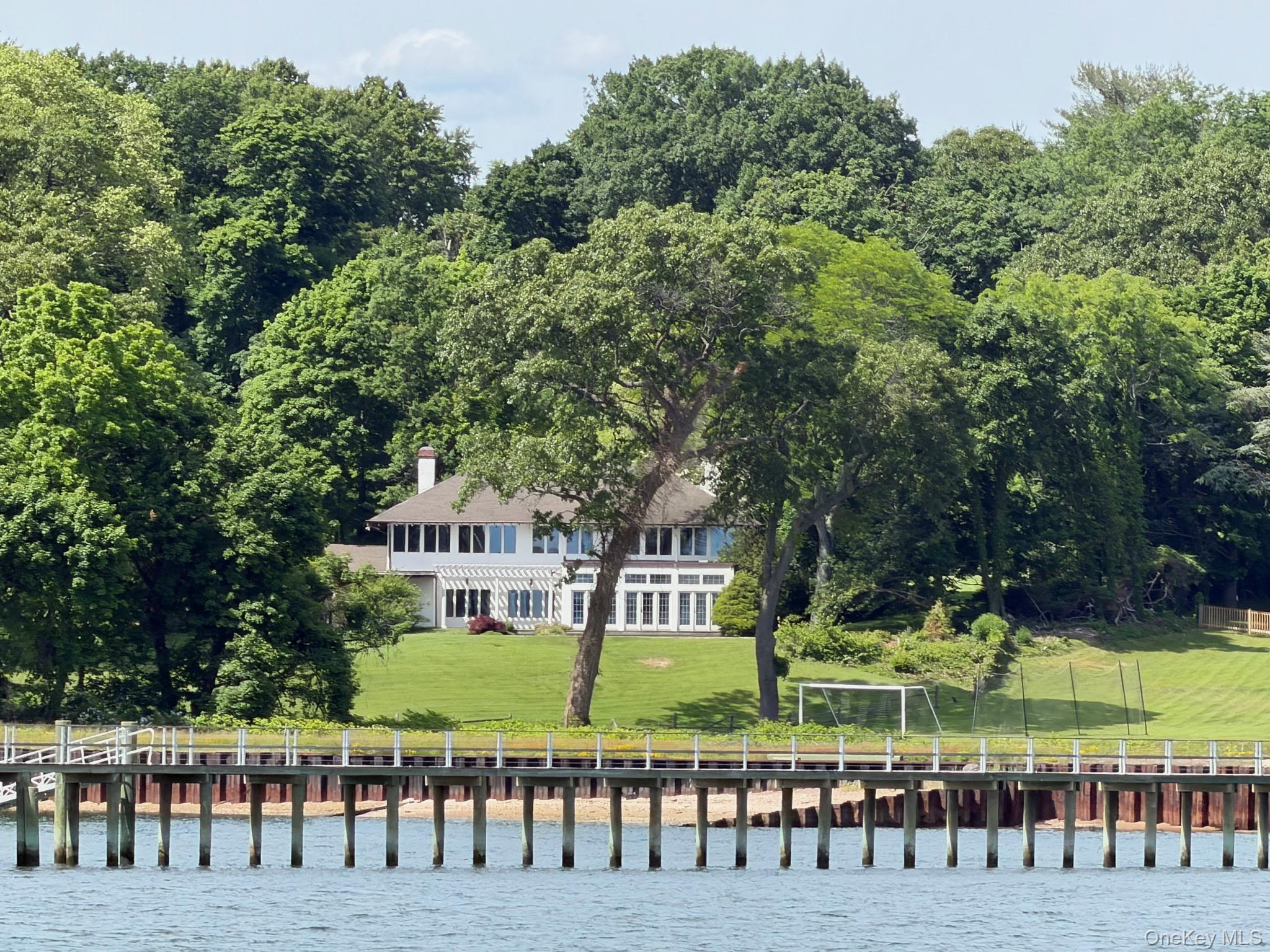
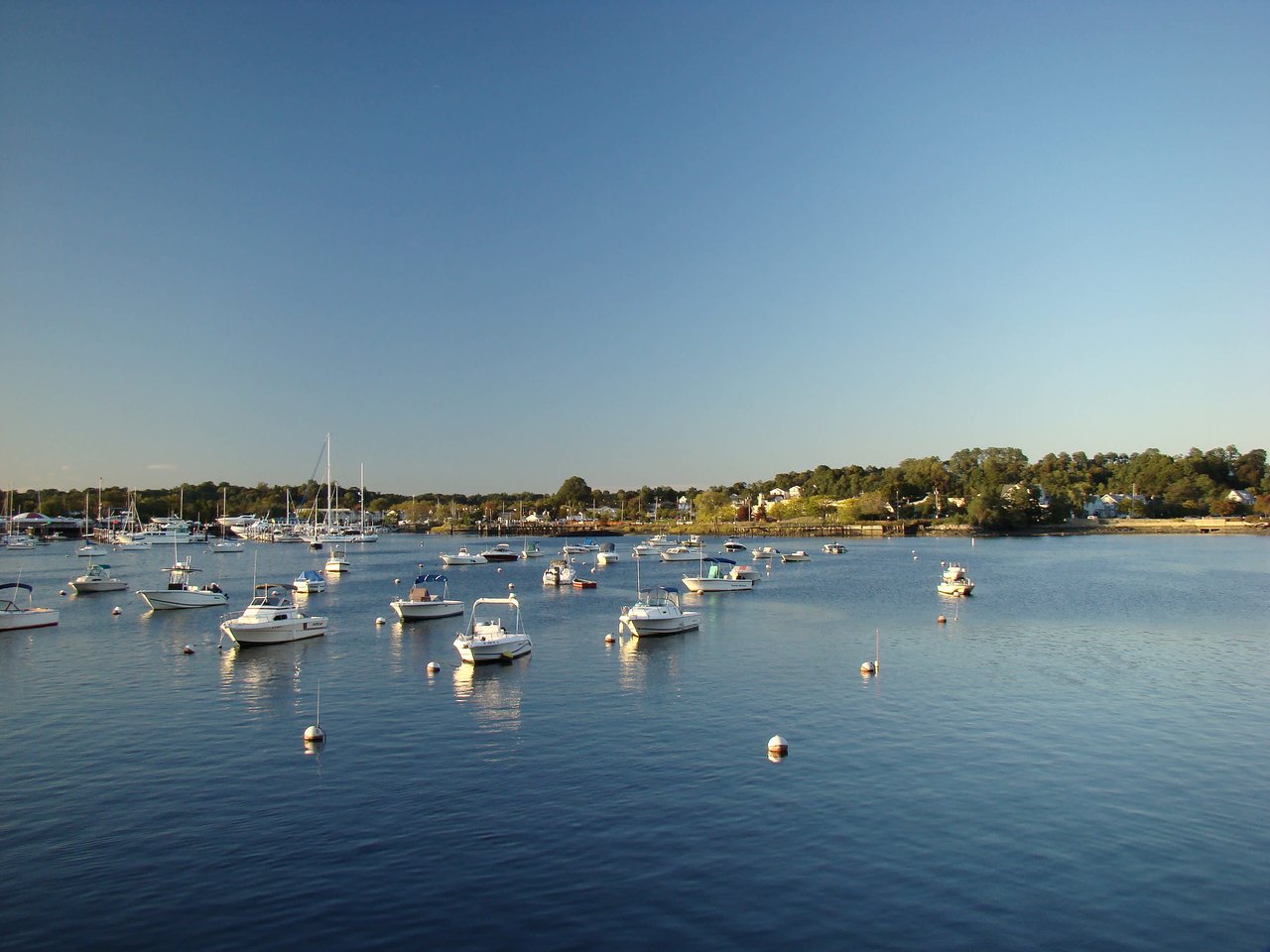
There are numerous marinas housed along the gorgeous coast.
17,613 people live in Port Washington, where the median age is 42.3 and the average individual income is $85,210. Data provided by the U.S. Census Bureau.
Total Population
Median Age
Population Density
Average individual Income
Port Washington is one of the few places on Long Island's North Shore where you can keep a boat, walk to a train that takes you to Midtown in 35 minutes, and send your kids to a nationally ranked public high school — all from the same address. That combination is why the market here stays tight, and why understanding the differences between its villages matters more than in most towns.
Port Washington is a coastal hamlet and census-designated place in Nassau County, within the Town of North Hempstead. It anchors the Cow Neck Peninsula (also called Manhasset Neck), a boot-shaped landmass jutting north into the Long Island Sound.
The geography defines daily life here. Manhasset Bay borders the peninsula to the west, Hempstead Harbor to the east, and the Sound to the north. Water is on three sides, which means there is far more waterfront inventory per square mile than in comparable North Shore towns — and it also means the peninsula has only a few roads out, a detail that shapes commuting patterns and where buyers end up.
Three eras shaped what you see today.
The sand mining era (1870s–1980s). Retreating glaciers left behind banks of ultra-fine "Cow Bay Sand," and Port Washington ended up literally building New York City — an estimated 90% of the concrete in 20th-century Manhattan skyscrapers, sidewalks, subways, and bridges came from these sandbanks. Over 140 million cubic yards were barged down to the city. Waves of European immigrant labor settled here to work the pits, which is why the town has a genuine working-class and multigenerational core beneath the affluence. The last mine closed in 1989, and the reclaimed land became Harbor Links Golf Course, parkland, and newer residential development.
The seaplane era (1930s–40s). Before JFK or LaGuardia, Pan American Airways ran its transatlantic terminal out of Manhasset Bay. Boeing 314 "Yankee Clippers" and Sikorsky flying boats took off from the sheltered water bound for Bermuda, Europe, and South America. Operations moved once LaGuardia opened, but the aviation history remains a real point of local pride.
Gold Coast roots. The Guggenheims, Goulds, and Chryslers built estates on the peninsula, concentrated in Sands Point. F. Scott Fitzgerald, living in nearby Great Neck, drew on Sands Point for "East Egg" in The Great Gatsby — the old-money side of the bay. Several of those estates still stand, and a few are still private homes.
This is where buyers most often get lost. "Port Washington" is a mailing address shared by an unincorporated hamlet and several separately incorporated villages, each with its own government, tax line, and character.
Sands Point occupies the northern tip — gated drives, multi-acre parcels, and the highest concentration of surviving Gold Coast mansions in the area. Its own village police force, its own rules, its own world.
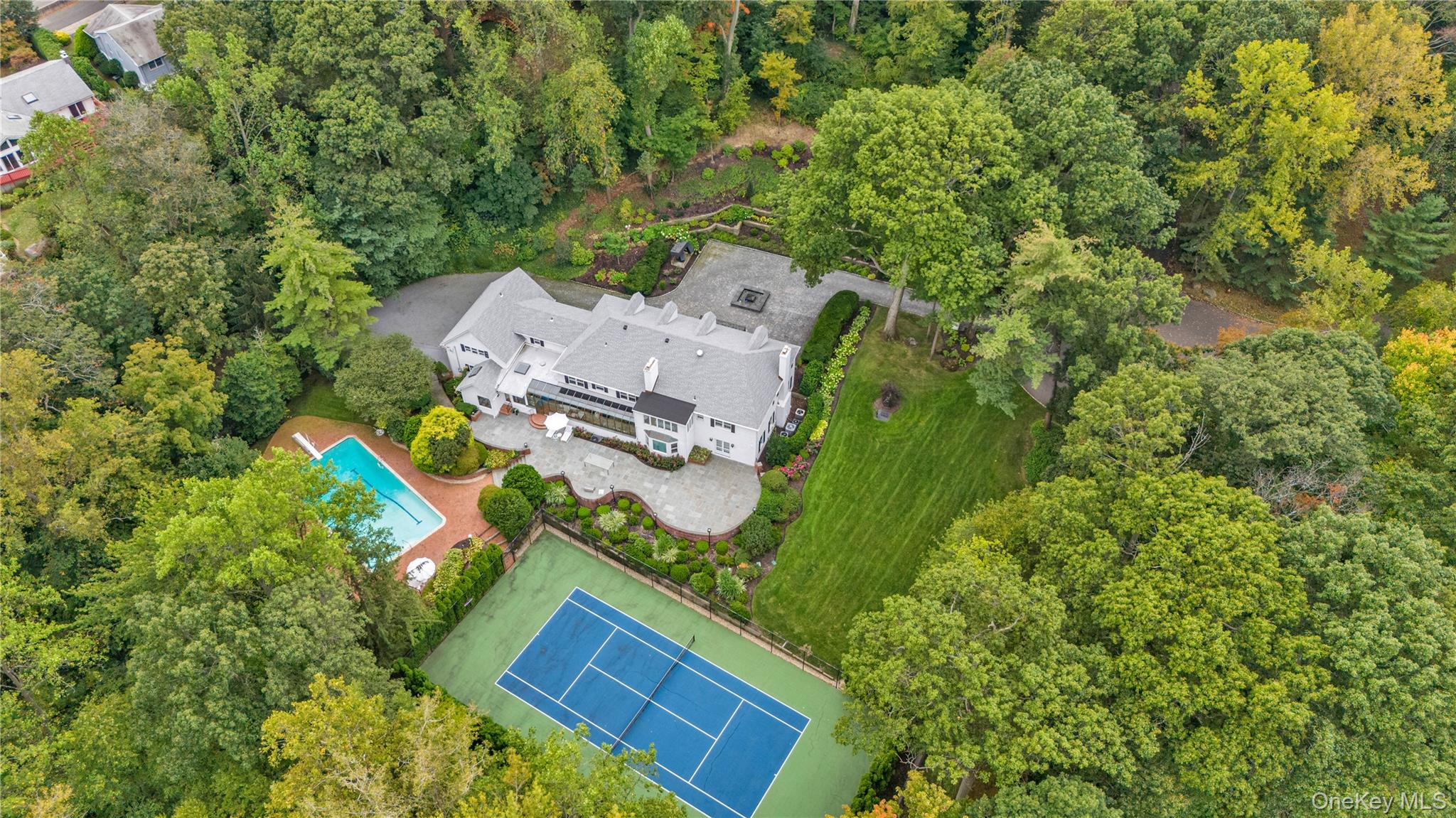
Harbor Acres is an exclusive gated enclave within Sands Point known for sprawling acreage, private waterfront access, and ultra-luxury custom builds.
Baxter Estates is a small historic village on the hills above Manhasset Bay. Winding roads, older homes, and you can walk to Main Street.
Manorhaven runs along the western shore and is the most diverse housing stock on the peninsula — marinas, the big public beach park, single-family homes, and multi-family buildings. Historically the most accessible entry point into the school district.
Port Washington North sits along the bay with newer residential development, waterfront walkways, parks, and some light commercial zoning.
Flower Hill spans the southern end, with larger lots, tree-lined streets, and the fastest access to the LIE and Northern State.
Beacon Hill is a hilltop enclave with post-war streets, elevated water views, and a short trip to the train.
Salem is the classic post-war family neighborhood — manicured lots, cul-de-sacs, South Salem Elementary zoning.
Soundview sits toward the northern end with mid-century housing developments near Soundview Park and the schools.
The practical takeaway: two homes with identical square footage and the same Port Washington address can differ by hundreds of thousands in price and thousands in annual taxes depending on which village line they fall on.
The building stock reads like a timeline of the town's transformation from resort-and-mining town to commuter suburb.
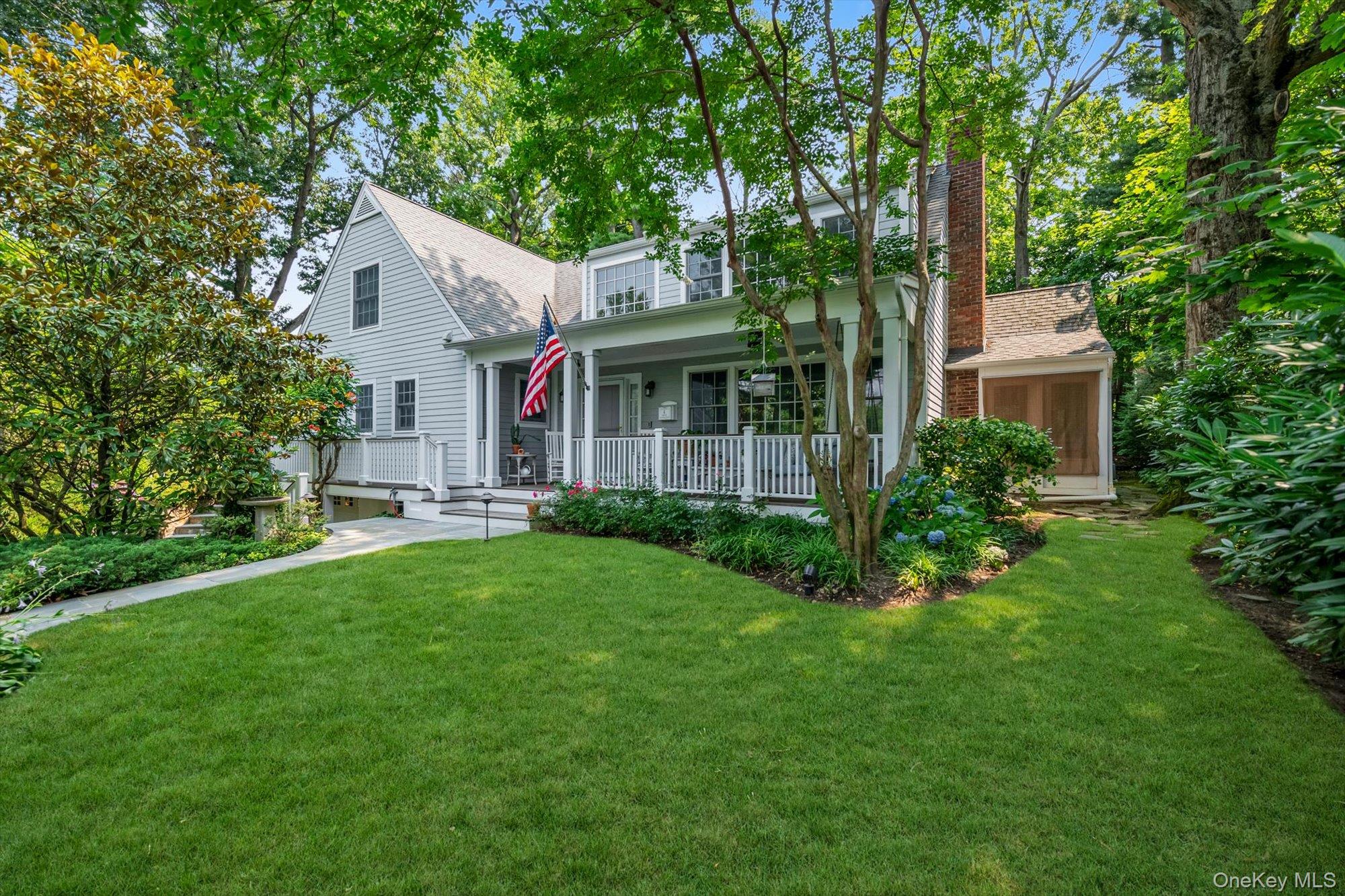
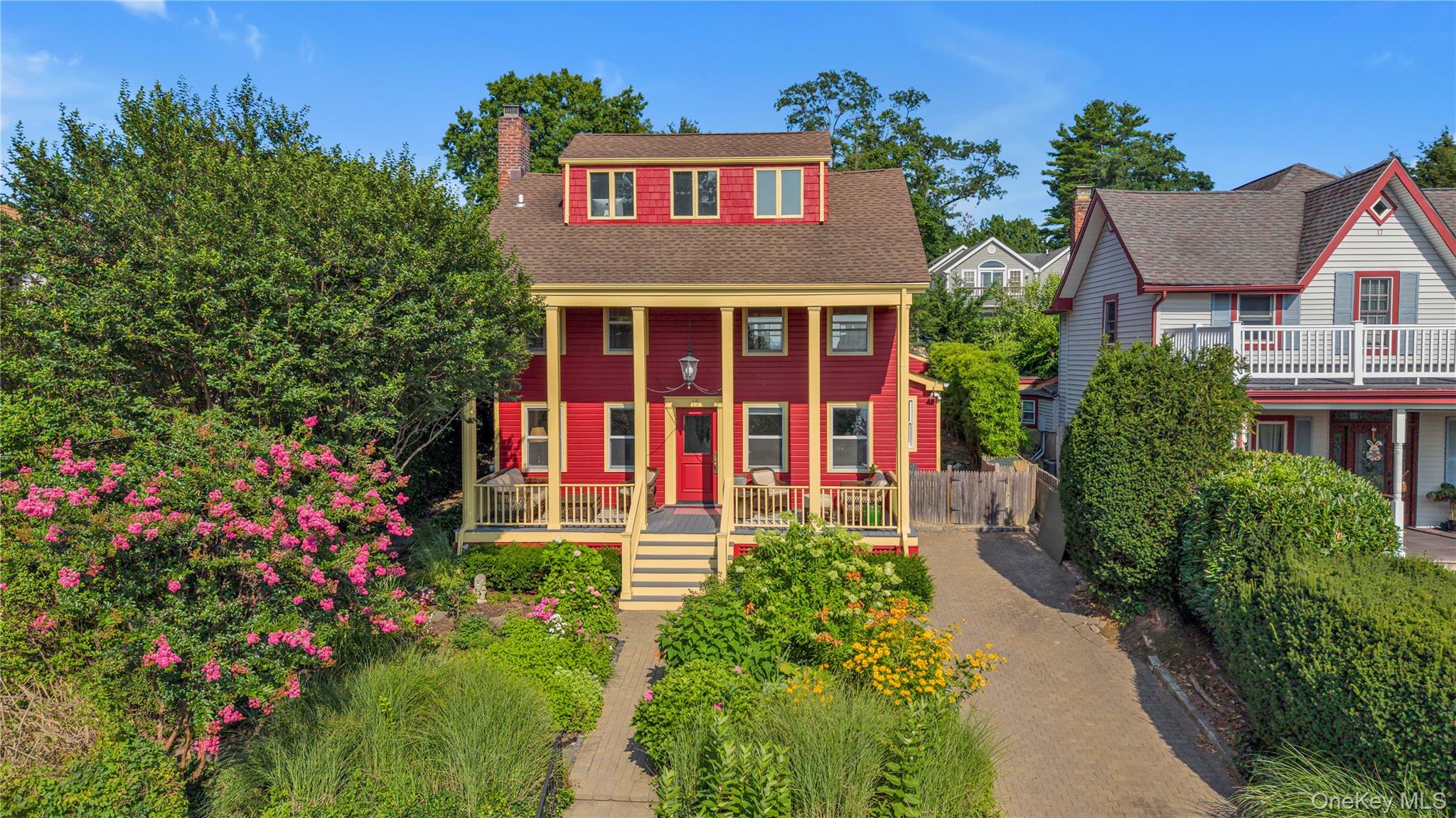
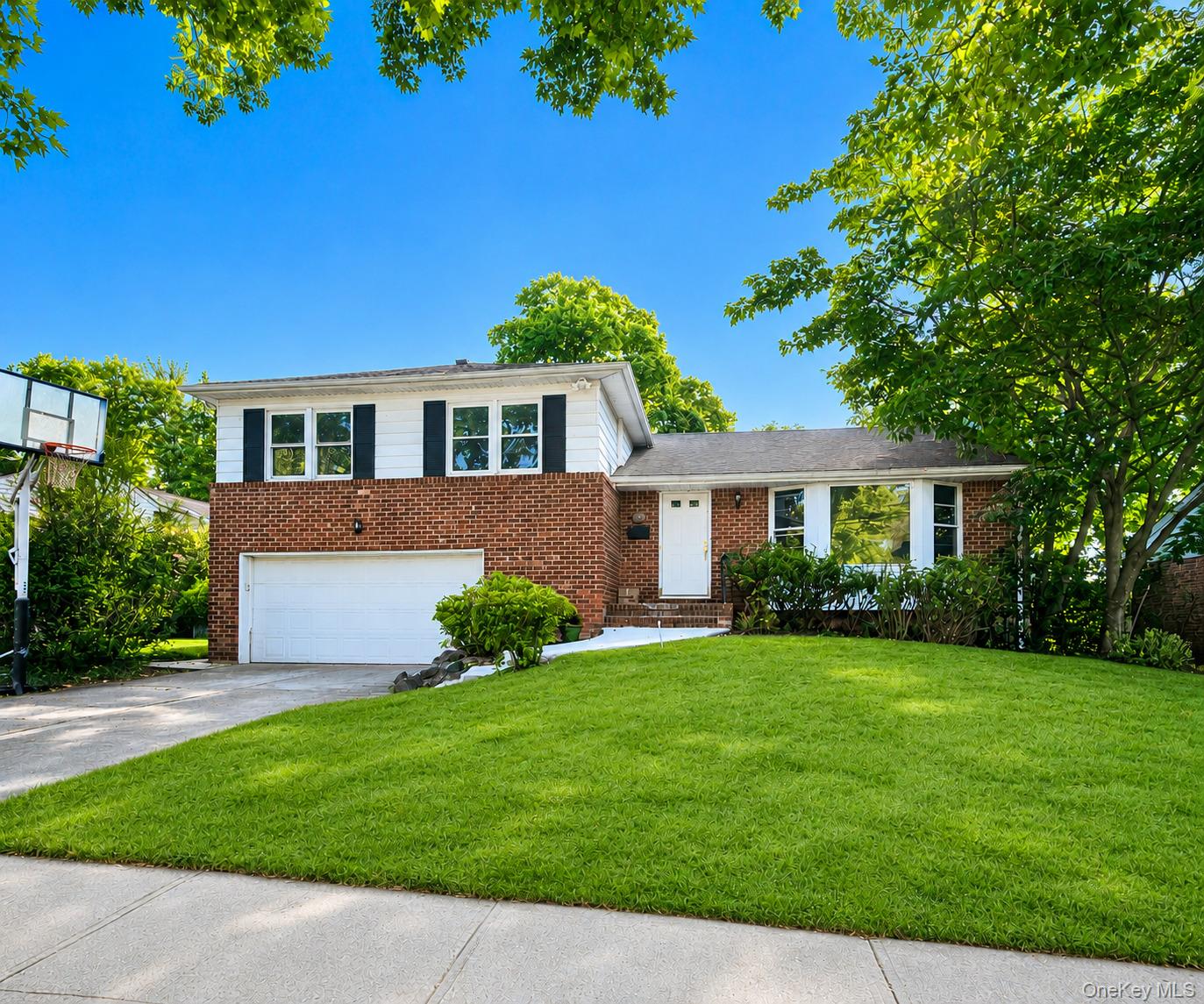
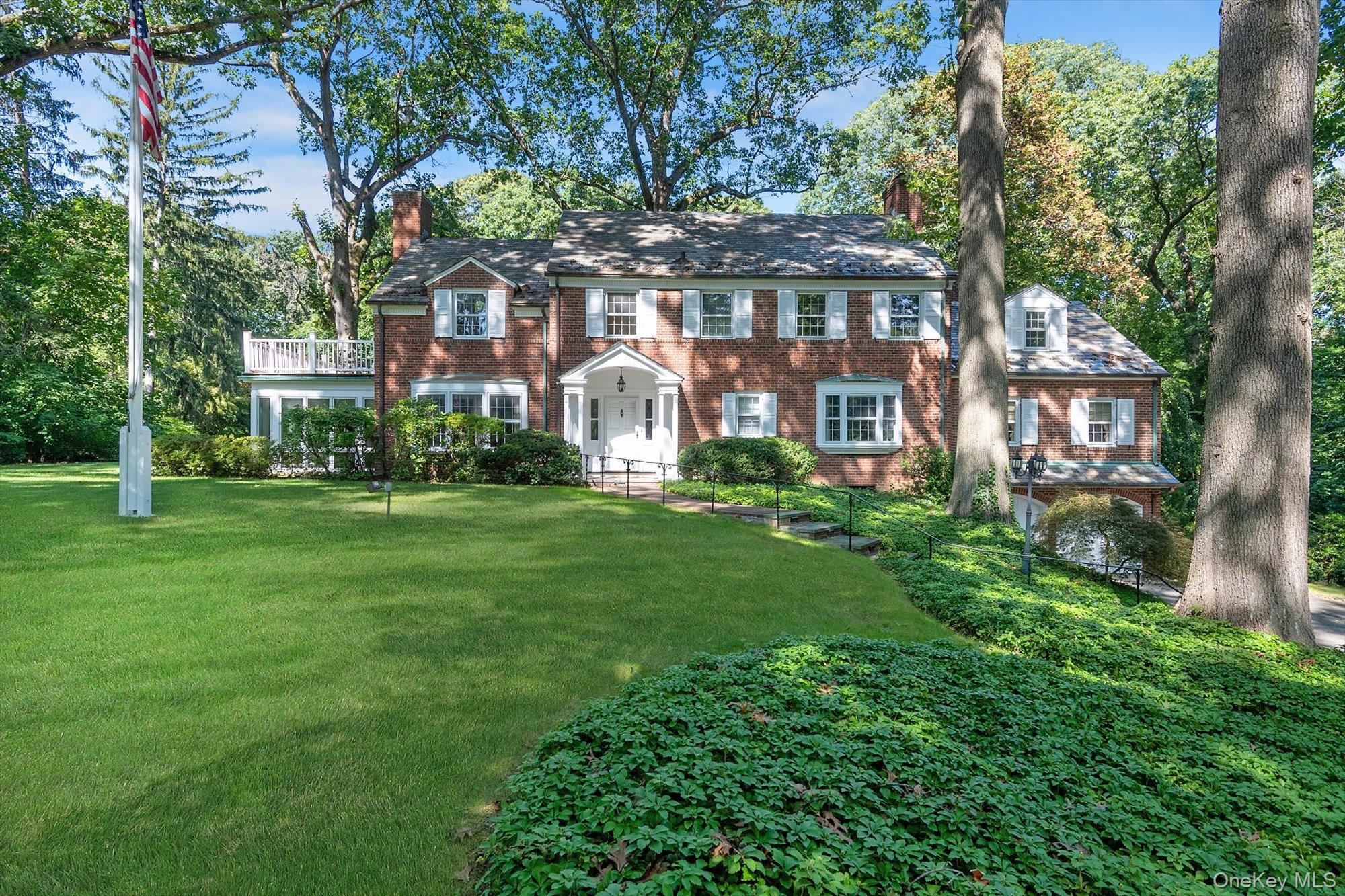
Colonials and Tudors dominate the established neighborhoods — Beacon Hill, Salem, Baxter Estates. Expect brick-and-timber English Tudors alongside Dutch and center-hall Colonials built between the 1920s and 1950s. These are the homes that hold value most reliably and where renovation quality varies the most; a 1928 Tudor with original systems and one with a gut-renovated kitchen and new mechanicals are very different purchases at similar asking prices.
Mid-century ranches and split-levels fill Soundview and parts of Salem. Single-floor living is genuinely scarce on the North Shore, which gives well-kept ranches an outsized buyer pool — downsizers and young families compete for the same houses.
Waterfront estates concentrate in Sands Point and Harbor Acres, ranging from 1920s Gilded Age houses to modern compounds with private docks and blufftop Sound views.
Co-ops, condos, and townhomes cluster around the LIRR station and along Main Street and Shore Road. This is the walkable, low-maintenance tier of the market and the only realistic entry point under $700K.
Demand consistently outruns inventory. The drivers are straightforward: a one-seat 35-minute express train to Manhattan, a strong school district, and real waterfront. The average single-family home value across the peninsula sits near $1.3 million, but that number is close to meaningless on its own — the spread by village is enormous.
Area | Typical inventory | Price range |
|---|---|---|
Manorhaven & Port Washington North | Entry single-family, multi-family | $850K – $1.4M |
Salem, Soundview, Beacon Hill | Post-war ranches and colonials | $1.1M – $1.8M |
Baxter Estates & Flower Hill | Larger historic and custom colonials | $1.4M – $2.8M |
Sands Point & Harbor Acres | Estates and gated waterfront compounds | $2.5M – $15M+ (median listing near $5.7M) |
Station corridor | Co-ops | $350K – $650K |
Station corridor | Luxury condos & townhomes | $750K – $1.5M+ |
What this means in practice: the mid-market ($1.1M–$1.8M) is the most competitive segment, because it's where school-district buyers coming out of Brooklyn, Queens, and Manhattan converge. Well-priced, move-in-ready homes in Salem and Beacon Hill routinely see multiple offers. The luxury tier in Sands Point behaves differently — longer marketing times, more negotiation, and pricing that depends heavily on water frontage, acreage, and whether the house has been updated for how buyers actually live now.
Taxes are the single most common surprise for buyers moving in from the city, and they deserve real attention before you fall in love with a house.
A typical Port Washington homeowner pays roughly $14,000 to $25,000+ per year in total property taxes. Sands Point estates commonly run $50,000 to $100,000 and up. That bill is a stack of three layers:
Beyond taxes, budget for the LIRR monthly pass plus a station parking permit, suburban New York utility rates, and — importantly — the annual tax grievance. Because Nassau County assessments run high, most homeowners here file a grievance every year through a tax-grieve firm. It's routine, not adversarial, and skipping it costs money over time.
Port Washington is the western terminus of the LIRR Port Washington Branch, and that single fact is worth more to commuters than almost any other amenity in town. Because the train originates here, you get a seat. Because the branch runs straight into Manhattan, you never transfer at Jamaica.
Service runs to both Penn Station and Grand Central Madison. Express trains reach Manhattan in about 35–38 minutes during peak; locals run 45–50. Trains depart roughly every 20–30 minutes at peak and every 30–60 minutes off-peak. The station has a staffed waiting room, taxi stand, and Town of North Hempstead parking lots — resident permits are required for the main lots, with meter and day-pass options available.
Driving, Manhattan is 22–25 miles away: about 35 minutes with no traffic, 60–90+ at rush hour. You exit the peninsula southbound via Searingtown Road or Port Washington Boulevard (NY-101). From there, the LIE (I-495) at Exit 36 runs to the Queens-Midtown Tunnel, the Northern State Parkway at Exit 27 connects to the Grand Central and the RFK Bridge, and Northern Boulevard (25A) serves as the local east-west alternative.
One planning note worth knowing: the peninsula's limited number of exit roads means morning traffic funnels predictably. Homes in Flower Hill and the southern end shave real minutes off a car commute; homes near the station shave them off a train commute. Decide which one you're optimizing for.
The Port Washington Union Free School District is a major reason families buy here. It runs on a neighborhood-elementary, single-middle-school, single-high-school structure.
Elementary (K–5) assignment is strictly zoned, so the street address determines the school:
From sixth grade on, everyone consolidates onto the central campus off Campus Drive. Carrie Palmer Weber Middle School (6–8) handles academics, music, and athletics for the whole town, and Paul D. Schreiber High School (9–12) — home of the Vikings — is nationally recognized, with extensive AP offerings, strong performing and fine arts programs, and competitive athletics. The practical benefit of this structure is that every kid in Port Washington ends up in the same middle and high school, which is part of why the community feels as connected as it does.
Private and parochial options include St. Peter of Alcantara (Catholic K–8, in town), Vincent Smith School (in town, small-class instruction for students with learning differences), Buckley Country Day School in Roslyn, Friends Academy in Locust Valley, and regionally, Chaminade in Mineola and Our Lady of Mercy Academy in Syosset.
Sands Point Preserve is the crown jewel — 216 acres on the former Guggenheim estate, with trails through old-growth forest, open lawns, Sound beach access, and historic mansions including Castle Gould and Hempstead House.
Manorhaven Beach Park is where the town's active recreation happens: a zero-entry outdoor pool complex, splash pad, tennis and pickleball courts, basketball, athletic fields, and a waterfront pier on Manhasset Bay.
North Hempstead Beach Park (Bar Beach) sits on the Hempstead Harbor side with a long sand beach, fishing pier, promenade, kayak launches, and an outdoor concert venue.
Sunset Park anchors the foot of Main Street with a bandshell, picnic areas, and the sunset views the name promises.
Harbor Links Golf Course is the municipal 18-hole championship course built on reclaimed sand-mining land, plus a 9-hole executive course, driving range, and clubhouse — a genuinely good public course, which is unusual for Nassau County.
Manhasset Bay is one of the best natural deep-water harbors on the East Coast. It shelters boats from open Sound swell while putting New York Harbor and the New England cruising grounds within easy reach — which is exactly why the bay has supported serious sailing culture for well over a century.
The club scene includes Manhasset Bay Yacht Club, Port Washington Yacht Club, and the Knickerbocker legacy organizations, offering slips, dining, pools, and regatta hosting. Commercial marinas and boat yards — Brewer Cow Bay, Capri Marina, Tom's Point among them — handle transient slips, winter storage, haul-out, and marine supply.
You don't need a club membership to be on the water. The Town of North Hempstead and local harbormasters maintain public and private mooring fields, the seasonal Manhasset Bay Water Taxi runs boaters from the Town Dock out to moored vessels, and the Port Washington Sailing Center plus junior programs at the clubs teach lessons, rent boats, and run adult racing leagues through the summer.
If boating is part of why you're moving here, mooring and slip availability should be part of your house search from day one — not an afterthought.
Main Street runs from the LIRR station straight down to the water, and it functions as the town's social spine. That walkability — train to shops to restaurants to harbor — is rare on Long Island and a real part of the property value here.
Dining along Main Street and lower Shore Road is dense and almost entirely independent: waterfront seafood, upscale Italian, casual bistros, bakeries, ice cream, and old-school New York delis. Retail runs to locally owned boutiques, bookstores, a hardware store, florists, and specialty food markets, so everyday errands and browsing happen in the same few blocks.
The Port Washington Public Library deserves specific mention. Overlooking the bay, it's widely considered one of the best public libraries in Nassau County and operates as a cultural institution — gallery exhibits, live acoustic concerts, film screenings, adult education, and deep children's programming. Families use it constantly.
For bigger-box needs, grocery stores, pharmacies, gyms, banks, and medical offices line Port Washington Boulevard and Northern Boulevard.
Port Washington runs on volunteers, and the calendar shows it.
HarborFest every June is the flagship — held at the Town Dock and Sunset Park, organized by the Chamber of Commerce, with craft fairs, live music, eco-tours aboard historic vessels, food vendors, and kids' activities built around the town's maritime past.
The Port Washington Farmers' Market runs Saturday mornings through summer and fall at the Town Dock and is notable for being one of the only 100% organic, producer-only markets on Long Island.
Through the rest of the year: Pride in Port in the fall brings a community parade and the Schreiber homecoming; free summer concerts at Sunset Park run weekly in July and August; and Winter Wonderland and the tree lighting bring Main Street together in December.
Civic life centers on Landmark on Main Street, a community center housing the Jeanne Rimsky Theater for national touring acts, alongside the Cow Neck Peninsula Historical Society, Rotary and Kiwanis clubs, and youth leagues like the Port Washington Soccer Club and Little League. Newcomers tend to find their footing through one of these faster than anywhere else.
Born and raised in Sands Point, Maggie Keats has built her career on knowing this peninsula village by village, street by street — the difference a tax line makes, which Tudors have been properly updated, when a listing is about to come to market, and which neighborhood genuinely fits a particular family. She is the #1 producer on Long Island, a recipient of Douglas Elliman's Pinnacle Award, Elliman's #1 broker on the North Shore for ten consecutive years, and a Wall Street Journal/RealTrends Top 100 "Best Real Estate Agents in America" honoree, with a closing record that spans everything from first-time purchases to Sands Point estates above $11 million.
Clients consistently describe the same experience: an agent who never pressures, who tours the area with buyers before ever discussing a specific property, and whose network of attorneys, inspectors, contractors, and tradespeople keeps working for them long after closing.
If you're considering buying or selling on the North Shore, reach out:
Maggie Keats — Douglas Elliman Real Estate
475 Port Washington Blvd., Port Washington, NY 11050
(516) 449-7598 · [email protected]
There's plenty to do around Port Washington, including shopping, dining, nightlife, parks, and more. Data provided by Walk Score and Yelp.
Explore popular things to do in the area, including Bread & Butter Grocery, Hinck's Delicatessen, and Toyo Foods.
| Name | Category | Distance | Reviews |
Ratings by
Yelp
|
|---|---|---|---|---|
| Dining | 0.14 miles | 1 review | 3/5 stars | |
| Dining · $ | 0.17 miles | 47 reviews | 4.2/5 stars | |
| Dining | 0.18 miles | 0 reviews | 0/5 stars | |
| Dining | 0.47 miles | 0 reviews | 0/5 stars | |
| Dining | 0.55 miles | 22 reviews | 1.4/5 stars | |
| Dining | 0.63 miles | 11 reviews | 4.5/5 stars | |
| Dining | 1.54 miles | 0 reviews | 0/5 stars | |
| Shopping | 0.36 miles | 5 reviews | 4.6/5 stars | |
| Shopping | 1.16 miles | 0 reviews | 0/5 stars | |
| Active | 0.86 miles | 0 reviews | 0/5 stars | |
| Beauty | 0.23 miles | 66 reviews | 4.7/5 stars | |
| Beauty | 0.25 miles | 2 reviews | 5/5 stars | |
| Beauty | 0.26 miles | 0 reviews | 0/5 stars | |
| Beauty | 0.28 miles | 7 reviews | 5/5 stars | |
| Beauty | 0.33 miles | 0 reviews | 0/5 stars | |
| Beauty | 0.38 miles | 0 reviews | 0/5 stars | |
|
|
||||
|
|
||||
|
|
||||
|
|
||||
|
|
||||
|
|
Port Washington has 5,947 households, with an average household size of 2.92. Data provided by the U.S. Census Bureau. Here’s what the people living in Port Washington do for work — and how long it takes them to get there. Data provided by the U.S. Census Bureau. 17,613 people call Port Washington home. The population density is 4,193 and the largest age group is Data provided by the U.S. Census Bureau.
Total Population
Population Density Population Density This is the number of people per square mile in a neighborhood.
Median Age
Men vs Women
Population by Age Group
0-9 Years
10-17 Years
18-24 Years
25-64 Years
65-74 Years
75+ Years
Education Level
Total Households
Average Household Size
Average individual Income
Households with Children
With Children:
Without Children:
Blue vs White Collar Workers
Blue Collar:
White Collar:
475 Port Washington Blvd. Port Washington, NY 11050
475 Port Washington Blvd. Port Washington, NY 11050