Choosing between Oyster Bay and Oyster Bay Cove is not just about price or square footage. These two neighboring North Shore communities offer very different day-to-day experiences, from lot sizes and waterfront access to how private or connected your routine may feel. If you are trying to decide where you would feel most at home, this guide will help you compare the basics clearly and confidently. Let’s dive in.
Oyster Bay at a Glance
Oyster Bay is the historic harbor-side hamlet and village center around Main Street and Oyster Bay Harbor. According to the National Park Service, the settlement dates back to 1653 and grew into a summer destination for prominent New York families, including Theodore Roosevelt. Today, the village core is still anchored by historic commercial and civic buildings, along with the Oyster Bay LIRR station.
For many buyers, Oyster Bay feels like a classic North Shore town center. It offers a mix of history, public waterfront amenities, train access, and a broader range of housing settings. If you want a location that combines local character with everyday convenience, Oyster Bay often stands out.
Oyster Bay Cove at a Glance
Oyster Bay Cove is an incorporated village within the Town of Oyster Bay. The village states that it was incorporated on December 29, 1931, and today includes 728 homes and about 2,250 residents. It also provides its own village services, including police, refuse, roads, and other local functions.
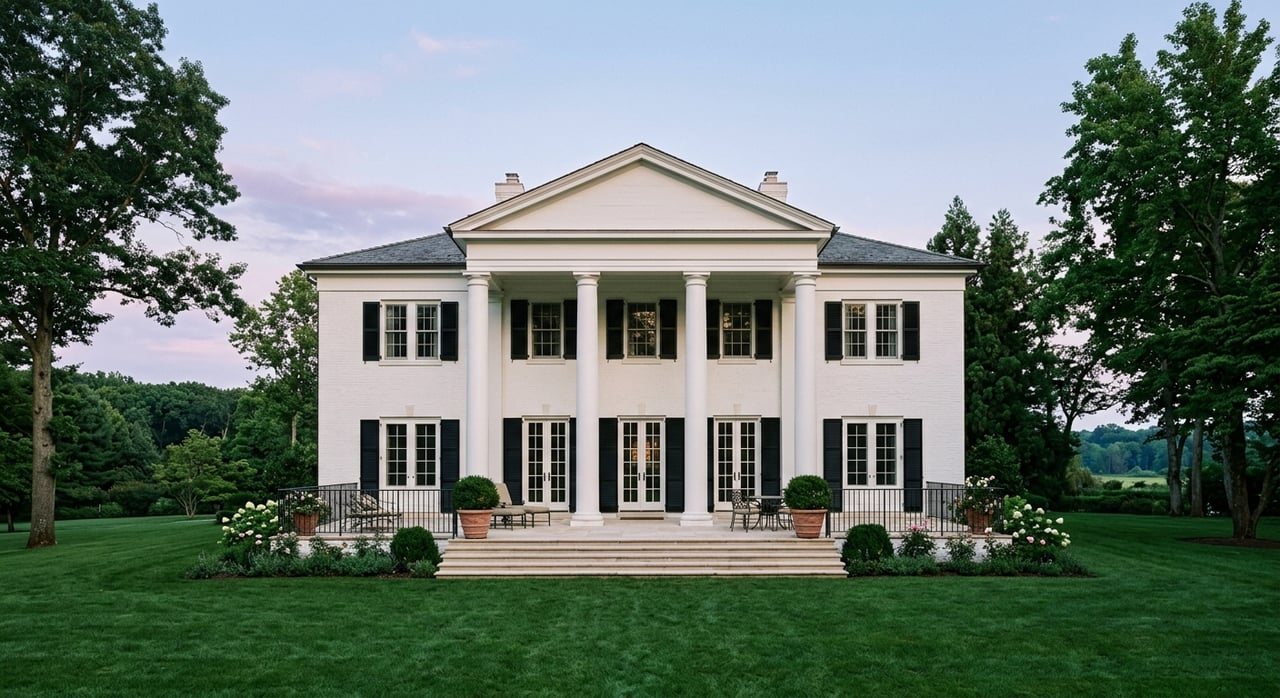
The overall feel is much more residential and estate-oriented. Compared with Oyster Bay’s village center, Oyster Bay Cove is shaped by lower-density zoning, larger setbacks, and a more private setting. If your priority is space, privacy, and a quieter residential environment, Oyster Bay Cove may be the better fit.
Lot Sizes and Home Settings
Oyster Bay offers more variety
Oyster Bay has a broader mix of residential scales. The Town of Oyster Bay’s Oyster Bay Hamlet Residence Design District regulates house size across lot-area bands that range from under 6,000 square feet to 5.0 acres or more. The town’s one-family districts also include minimum contiguous buildable-area thresholds that begin at 6,000 square feet in R1-6 and increase to 34,000 square feet in R1-5A.
In practical terms, that means you are more likely to find a mix of lot sizes and home styles in Oyster Bay. Buyers who like historic homes, varied neighborhood fabric, or a more flexible range of property types may find more options here.
Oyster Bay Cove is built around acreage
Oyster Bay Cove is far more tightly zoned for low-density single-family living. The village code divides the area into A-1 and A-2 residential districts, and the verified A-1 rules require detached single-family homes on lots of at least five acres. The same code also limits building area to 10 percent of lot area and requires a 150-foot front setback, along with substantial side and rear setbacks.
That zoning creates a very different living environment. Homes are spread farther apart, parcels are larger, and the overall setting tends to feel more private and estate-like. For buyers specifically looking for acreage and separation from neighboring homes, Oyster Bay Cove has a clear advantage.
Raw acreage is not always usable acreage
This is an important detail if you are considering land, major additions, or a teardown in Oyster Bay Cove. The village defines contiguous buildable area in a way that excludes wetlands, water bodies, watercourses, buffer areas, and very steep slopes. In other words, a parcel’s total size may not reflect how much of it can actually be used for building.
That can affect everything from home placement to expansion potential. If you are comparing properties in Oyster Bay Cove, it is especially important to look beyond the headline acreage and understand the actual buildable area.
Waterfront Access and Outdoor Lifestyle
Oyster Bay has broader public access
If waterfront lifestyle is a major factor, Oyster Bay offers more public-facing amenities. Town of Oyster Bay facilities in Oyster Bay include Theodore Roosevelt Memorial Park and Beach, which offers bathing in Oyster Bay Harbor, a playground, a boat launching ramp, kayaking, and a 97-slip boat basin. The town also lists Beekman Beach and Theodore Roosevelt Marina among its North Shore waterfront assets.
This makes Oyster Bay appealing if you want more ways to enjoy the harbor without relying on residents-only access. Buyers who picture beach days, boating, kayaking, or convenient marina access often see Oyster Bay as the more service-rich option.
Oyster Bay Cove has a more private feel
Oyster Bay Cove’s waterfront access is smaller and more village-specific. The village owns a recreation area adjacent to the bay on the north side of Cove Road, with kayak racks and mooring permits. The village states that this area is restricted to Oyster Bay Cove residents and their guests, and that its permits are valid only for the Oyster Bay Cove Village Beach, not Town of Oyster Bay beaches.
That setup gives the waterfront a quieter, more private character. If you prefer a residents-only environment over broader public access, Oyster Bay Cove may better match your lifestyle.
Convenience and Daily Routine
Oyster Bay is easier day to day
For many buyers, Oyster Bay has the stronger convenience profile. The National Park Service highlights its historic village center and long-standing role as a place for goods, services, and transportation. The MTA also describes the Oyster Bay station as an accessible Long Island Rail Road station with a ramp, tactile warning strips, and audiovisual passenger information systems.
That combination matters if your daily life includes commuting, errands, or simply enjoying a town center setting. Oyster Bay tends to work well for buyers who value train access and the ability to be near a more established commercial core.
Oyster Bay Cove is more residential and car-oriented
Oyster Bay Cove’s official materials focus more on village government, recreation, preserves, taxes, police, and water access than on a retail core. That does not mean your needs are hard to meet, but it does suggest a more residential and likely more car-dependent routine.
For some buyers, that is exactly the point. If you are looking for a quieter home base where privacy matters more than being close to a village center, Oyster Bay Cove can feel like a better fit.
Which Buyer Tends to Prefer Each?
Oyster Bay may suit you if you want:
- A historic waterfront town setting
- A more walkable village core
- LIRR access nearby
- Broader public waterfront amenities
- A wider mix of home and lot sizes
Oyster Bay Cove may suit you if you want:
- Large lots and more privacy
- A controlled low-density residential setting
- Significant setbacks between homes
- Residents-only waterfront recreation
- A more estate-like environment
The Bottom Line on Oyster Bay vs. Oyster Bay Cove
Neither community is universally better. The right choice depends on how you want your home to function in your everyday life. Oyster Bay generally offers more convenience, public waterfront access, and housing variety, while Oyster Bay Cove offers more privacy, acreage, and a more tightly controlled residential setting.
If you are weighing both, it helps to compare not just the homes themselves, but also the zoning, access, and daily rhythm behind each address. On the North Shore, those details can shape your experience just as much as the house itself.
If you are considering a move in Oyster Bay, Oyster Bay Cove, or another North Shore community, working with a broker who understands the small differences between neighboring markets can make the process much clearer. For tailored guidance on lifestyle fit, property strategy, and local inventory, connect with Maggie Keats.
FAQs
Is Oyster Bay Cove more focused on large lots than Oyster Bay?
- Yes. Verified Oyster Bay Cove A-1 zoning requires detached single-family homes on lots of at least five acres, while Oyster Bay includes smaller lot-area bands and a wider range of residential scales.
Which area has better everyday convenience, Oyster Bay or Oyster Bay Cove?
- Oyster Bay generally offers stronger day-to-day convenience because it has the historic commercial center and the Oyster Bay LIRR station.
Which area has more private waterfront access, Oyster Bay or Oyster Bay Cove?
- Oyster Bay Cove has the more private waterfront setup because its recreation area, kayak racks, and mooring permits are reserved for residents and their guests.
Does Oyster Bay have more public waterfront amenities than Oyster Bay Cove?
- Yes. Oyster Bay includes town facilities such as Theodore Roosevelt Memorial Park and Beach, a boat launching ramp, kayaking access, and a 97-slip boat basin.
Why does buildable area matter in Oyster Bay Cove?
- Buildable area matters because village code excludes wetlands, water bodies, watercourses, buffer areas, and very steep slopes from contiguous buildable area, which can reduce how much of a large parcel is actually usable.